
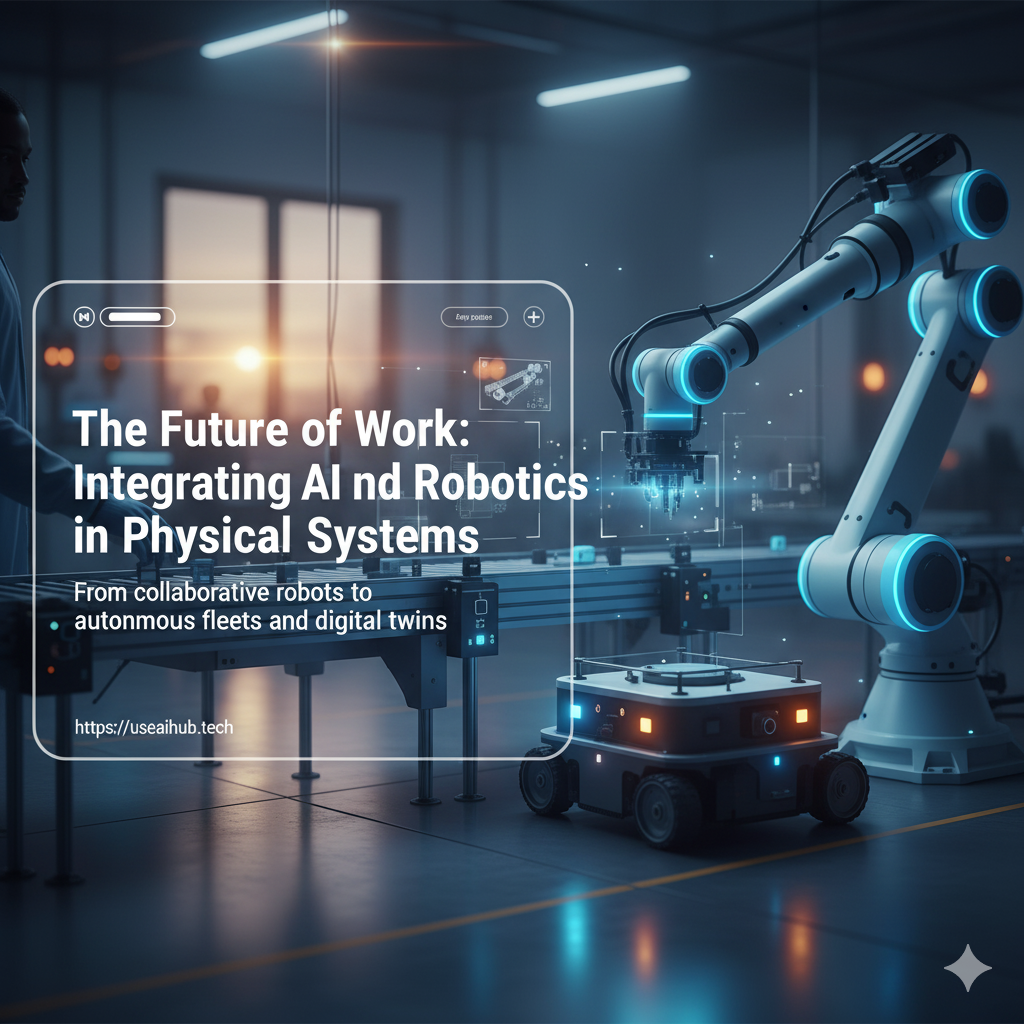
Understanding Physical AI and Robotics Integration
The integration of physical AI and robotics encompasses the convergence of artificial intelligence with robotic systems to enable machines to perform complex tasks with a level of autonomy and intelligence that mimics human interaction and decision-making. At its core, this combination of technologies allows robots to perceive their environment, process information, and take actions to achieve specified goals. Various fields, such as manufacturing, healthcare, and logistics, increasingly rely on these sophisticated systems to enhance operational efficiency and reduce human error.
Central to physical AI is the incorporation of machine learning algorithms, which enable robots to learn from data and improve their performance over time. These algorithms analyze vast amounts of information, allowing robots to adapt to new situations and optimize their actions based on real-time feedback. Sensor technologies play a pivotal role in this integration, providing robotic systems with the capability to gather data from their surroundings. Whether it’s visual information through cameras or tactile feedback through touch-sensitive materials, these perceptions inform the AI, guiding the robot’s decision-making processes.
Examples of current applications showcase the versatility of physical AI and robotics integration. In manufacturing, collaborative robots, or cobots, work alongside human operators, assisting with tasks that require precision and strength. In healthcare, robots equipped with AI are employed for surgery and patient monitoring, ultimately enhancing both the efficiency and safety of these critical services. Additionally, drones powered by AI are utilized for inventory management in warehouses, effortlessly navigating through complex environments to ensure accurate stock levels. As we progress into an era where physical AI becomes more commonplace, the potential for innovation in diverse industries continues to expand.
Impact on Efficiency and Productivity in Warehouses and Smart Factories
The integration of artificial intelligence (AI) and robotics is revolutionizing the landscape of warehouses and smart factories. These advanced technologies have not only enhanced operational efficiency but also significantly boosted productivity levels across various industrial sectors. One prominent example is the utilization of Automated Guided Vehicles (AGVs), which efficiently transport goods within facilities without human intervention. This technology minimizes delays associated with manual handling, thereby optimizing workflow and throughput.
Moreover, smart robots dedicated to inventory management are gaining traction. These machines are capable of scanning shelves, tracking inventory in real time, and reordering stock as necessary. By incorporating AI-driven analytics, facilities can identify patterns in inventory movement and predict stock levels required for upcoming production cycles. Such capabilities result in a substantial reduction in human error, as manual counting and tracking become more automated and reliable.
Case studies highlight the tangible benefits of these integrations. For instance, a large automotive manufacturer reported an impressive 30% increase in productivity after implementing AI-based analytics coupled with robotics in their assembly line. Similar results have been noted in various sectors where smart technologies have been embraced. These changes not only lead to increased operational efficiency but also reduce labor costs, as fewer manual interventions are necessary. The cumulative effect of these technological advancements culminates in enhanced throughput, which is critical for meeting the demands of modern consumers.
Consequently, the ongoing shift towards smart factories equipped with AI and robotics is not merely a trend but a lasting transformational force poised to redefine productivity metrics. This evolution encourages warehouses and manufacturers to adopt innovative technologies proactively, setting the stage for a more efficient and productive future.
Enhancing Safety and Flexibility in Construction Sites
The construction industry is undergoing a significant transformation through the integration of Artificial Intelligence (AI) and robotics, ultimately leading to improved safety and flexibility on job sites. With the implementation of advanced technologies, construction companies are not only enhancing operational efficiency but also actively working to mitigate workplace risks. One notable innovation is the use of drones for site inspections. These aerial vehicles can provide real-time monitoring and data collection, allowing project managers to identify potential hazards from a safe distance, thereby preventing potential accidents and injuries.
Additionally, robotic exoskeletons are making their way into construction, assisting workers in performing physically demanding tasks. These wearable devices are designed to reduce the strain on human bodies by augmenting strength and endurance during heavy lifting or repetitive motions. The adoption of exoskeleton technology has been shown to decrease the likelihood of musculoskeletal injuries, a common concern in the construction sector. As labor force demographics shift, particularly with an aging workforce, such innovations enable older workers to remain productive while maintaining their safety.
Furthermore, AI-powered project management systems are revolutionizing the way construction projects are organized and executed. These systems can analyze vast amounts of data to predict project timelines, manage resources, and optimize workflows. By enabling better planning and communication, AI enhances overall project performance, ensuring that deadlines are met while minimizing costs. With the complexities of modern construction projects, these intelligent systems serve to streamline processes and reduce misunderstandings among teams, leading to more successful project outcomes.
In essence, the integration of AI and robotics is reshaping the construction industry by enhancing safety measures and introducing unparalleled flexibility. As innovative technologies continue to emerge, the potential for safer, more efficient construction practices expands, paving the way for a brighter future in this critical sector.
The Future of Autonomous Vehicles: AI-Driven Transportation Solutions
The landscape of transportation is undergoing a significant transformation with the advent of autonomous vehicles, leveraging advancements in artificial intelligence (AI) and robotics. These innovative technologies enhance the safety and efficiency of logistics while promising to redefine urban mobility. Central to this evolution is the integration of machine learning and advanced sensor technology, enabling vehicles to navigate complex environments autonomously.
Autonomous vehicles rely on a myriad of sensors, including cameras, lidar, and radar, to achieve a 360-degree view of their surroundings. These technologies facilitate real-time data processing and decision-making capabilities, which are essential for safe navigation. As the AI systems continue to improve, the potential for reducing traffic accidents increases, contributing to a safer transportation system overall. Moreover, the efficiency of logistics can be significantly enhanced as self-driving trucks streamline delivery routes and reduce fuel consumption, ultimately lowering operational costs.
However, the rise of autonomous vehicles does not come without challenges. Regulatory hurdles present a complex landscape that companies must navigate to ensure compliance and safety in public roads. Furthermore, public acceptance remains a crucial factor for widespread adoption, as societal concerns regarding trust and safety could impede progress. Stakeholders, including automotive manufacturers, technology firms, and policymakers, will need to collaboratively address these challenges to foster a conducive environment for innovation.
Key players such as Tesla, Waymo, and numerous startups are leading this charge, each contributing unique advancements and insights into AI-driven transportation solutions. Future trends indicate a shift toward more integrated transportation ecosystems, where autonomous vehicles coexist with traditional modes of transport. This holistic approach could provide a pathway for efficient, reliable, and sustainable transportation, reshaping our urban spaces as we know them.