
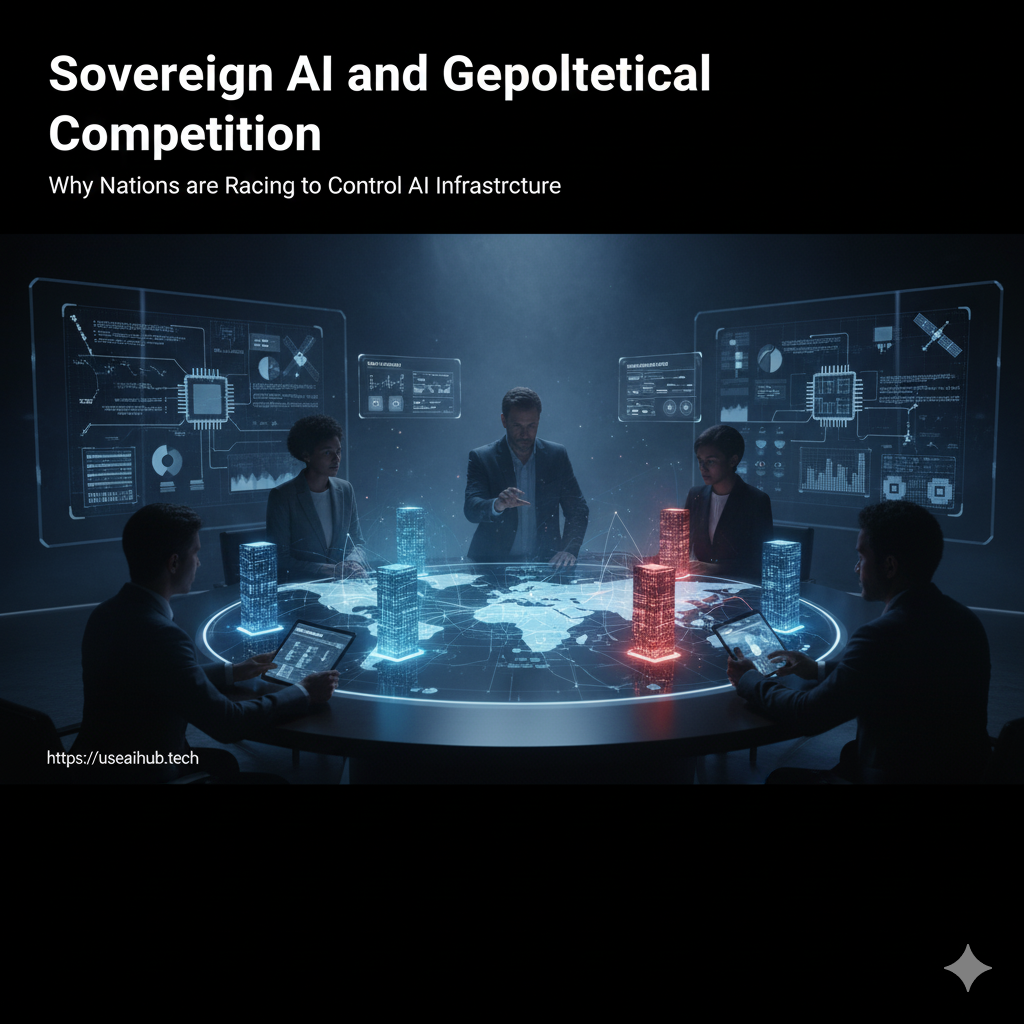
Understanding Sovereign AI
Sovereign AI refers to artificial intelligence systems and technologies that are developed, controlled, and governed by individual nations, rather than existing as global, universally accessible solutions. This concept encompasses not only the technology itself but also the regulatory framework that guides its use within national borders. Unlike traditional AI applications, which often rely on data and innovations from multiple countries, sovereign AI emphasizes the importance of data sovereignty—ensuring that data generated within a nation remains under the jurisdiction of that country.
The rise of sovereign AI can be attributed to various national security concerns. As countries grapple with issues of cybersecurity and data integrity, the need for self-sufficiency in AI technologies has become evident. Nations are seeking to create AI systems that adhere to their privacy laws and ethical standards, thereby reducing reliance on foreign technologies that may expose them to risks of data breaches or manipulation. By establishing control over their AI infrastructure, countries aim to safeguard sensitive information and protect their citizens from potential foreign interference.
Furthermore, many nations view the development of sovereign AI as a means to bolster their technological ecosystems. By nurturing homegrown AI capabilities, countries can stimulate innovation, enhance economic resilience, and create a competitive edge on the global stage. This strategic focus includes prioritizing investments in research and development for autonomous systems that align with national priorities, allowing countries to dictate the trajectory of their technological growth. The shift towards sovereign AI is indicative of a broader trend of nations asserting greater control over their digital environments, addressing concerns of data privacy, security, and geopolitical power dynamics.
Geopolitical Risks and Motivations
The current geopolitical landscape is characterized by an intricate web of rivalries among superpowers, primarily the United States, China, and Russia. These nations are deeply entrenched in a competition that extends to various domains, including economic influence, military prowess, and technology. In this context, artificial intelligence (AI) emerges as a crucial battleground as nations seek to enhance their strategic advantages. The motivations behind the pursuit of sovereign AI infrastructures are multifaceted, reflecting both immediate needs and long-term ambitions.
One significant driving force is the perceived risk associated with dependency on foreign AI technologies. Relying on external platforms exposes nations to vulnerabilities such as data breaches, manipulation, and espionage. The potential for sensitive information to be intercepted or exploited underscores the urgency for countries to develop their own AI capabilities. As nations recognize the implications of having essential technologies controlled by foreign entities, the call for building sovereign AI systems grows louder. This shift is not just about technological independence; it reflects a desire to safeguard national security and protect critical data from adversaries.
Moreover, the geopolitical motivations can also be linked to the broader quest for economic dominance. Nations that excel in AI development will likely reap the rewards of leadership in emerging industries. By investing in their own AI infrastructures, countries aim to foster innovation, create jobs, and gain competitive advantages in the global market. The interplay between technological supremacy and economic power adds another layer to the race for sovereign AI. As countries vie for technological leadership, the associated risks of not investing in sovereign AI capabilities heighten, propelling nations to allocate resources towards this endeavor.
Strategic Advantages of Sovereign AI
The establishment of sovereign AI systems presents numerous strategic advantages for nations striving to enhance their geopolitical standing. One of the most critical benefits is the significant enhancement of national security. By developing AI solutions within their borders, countries can better secure sensitive data and prevent potential cyber threats from external actors. This strategic shift not only bolsters defense mechanisms but also reduces dependency on foreign technology, making nations less vulnerable to geopolitical tensions that may arise from technological reliance.
Moreover, sovereign AI systems provide an invaluable opportunity to foster innovation within local economies. Countries investing in their own AI infrastructure can stimulate homegrown talent and encourage research and development in various sectors, ranging from healthcare to finance. This localized innovation cultivates a vibrant ecosystem where businesses can thrive, ultimately leading to job creation and economic growth. For instance, countries like Canada have invested heavily in AI research initiatives and collaboration with local tech companies, resulting in a burgeoning AI sector that has attracted global attention and investment.
Furthermore, nations with robust AI capabilities maintain a competitive edge in international trade. As AI technologies become increasingly integrated into key industries, countries with sovereign AI infrastructure can better control and optimize their supply chains. This control allows them to adapt more swiftly to global market demands, thereby enhancing their economic resilience in the face of international competition. For example, China’s significant investments in AI have positioned it as a leader in various technology sectors, giving it leverage in trade negotiations and economic partnerships.
Countries intent on solidifying their influence on the global stage are exploring these strategic advantages of sovereign AI. As the competition for technological supremacy intensifies, the implications of developing autonomous and secure AI infrastructures will shape future geopolitical dynamics.
The Future of Sovereign AI in Global Competition
As technological advancements accelerate, the emergence of sovereign AI presents an important milestone in the ongoing geopolitical competition among nations. The control of AI infrastructure is not solely a matter of economic prowess but has significant implications for national security, innovation, and global leadership. Nations are increasingly recognizing the strategic importance of localized AI capabilities, leading to a shift from merely leveraging global AI platforms towards developing homegrown solutions. This trend reflects a desire for greater autonomy and security in a domain where data and algorithms can greatly influence competitive advantages.
The implications of this shift for international relationships are profound. Countries with advanced AI capabilities may emerge as leaders, while those lacking such infrastructure might find themselves at a disadvantage, potentially leading to new forms of dependency or even conflict. The geopolitics of AI will likely drive nations to forge alliances based on shared interests in technology, security, and economic growth, shaping the contours of future collaborations. Moreover, a cooperative approach to align regulatory frameworks could emerge, enabling nations to address ethical concerns, cybersecurity issues, and competitive behaviors collectively.
In this context, the role of AI innovation hubs becomes critical. Initiatives like those highlighted on useaihub.tech demonstrate how collaborative efforts among nations can foster advancements in sovereign AI. By pooling resources, sharing best practices, and engaging in joint research, these innovation hubs can contribute to the development of a robust framework that supports both competitive edge and ethical standards in AI deployment. This cooperative strategy could pave the way for a new era of global AI governance that emphasizes shared benefits while still respecting the sovereign rights of individual nations.
Ultimately, the future of sovereign AI in global competition will hinge on how effectively nations manage their AI capabilities, navigate relationships, and foster a cooperative environment that promotes sustainable development in this rapidly evolving field.