
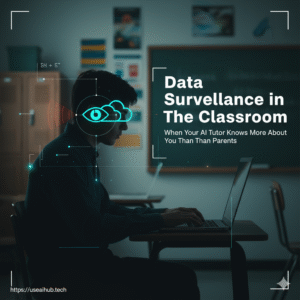
Understanding AI Tutors and Their Capabilities
AI tutors are advanced educational tools that utilize artificial intelligence to create personalized learning experiences for students. These systems are designed to adapt to individual learning styles and paces, harnessing machine learning algorithms to analyze student interactions and performance metrics. By doing so, AI tutors can provide tailored instruction that is responsive to each learner’s unique needs.
The technology behind AI tutoring systems encompasses various elements, including natural language processing (NLP), data analytics, and real-time feedback mechanisms. Natural language processing allows these systems to understand and respond to students’ questions in a conversational manner, making learning more interactive and engaging. Data analytics plays a crucial role in assessing student engagement and academic progress, tracking metrics such as time spent on tasks, completion rates, and comprehension levels.
Moreover, AI tutors are equipped to monitor emotional responses through sentiment analysis, which evaluates students’ reactions to content and assignments. This capability enables them to gauge when a student may feel frustrated or disengaged, prompting the system to adjust the educational approach accordingly. For instance, if a student struggles with a particular concept, the AI tutor can offer additional resources or alter its teaching methodologies to foster understanding.
In educational settings, the implementation of AI tutors presents both opportunities and challenges. While these systems can significantly enhance learning by providing personalized support, the collection of extensive student data raises privacy and ethical considerations. Understanding how AI tutors function and their inherent capabilities is essential as educators and policymakers consider the role of technology in modern classrooms. The evolving landscape of AI in education illustrates the profound impact such tools can have on student learning and engagement.
The Data Collected: What Do AI Tutors Monitor?
AI tutors collect a wide array of data points to create a comprehensive profile of each student’s learning style, behavior, and emotional state. One primary type of information gathered is click patterns. This aspect analyzes how often and in what sequence a student interacts with various resources, such as videos, quizzes, or reading materials. By understanding these patterns, AI systems can determine which subjects students find engaging and which they may struggle with, thereby adjusting the educational content accordingly.
Another crucial aspect is the mistake logs. AI tutors keep track of incorrect answers and the context surrounding these mistakes. For instance, this data can reveal whether a student consistently misunderstands specific concepts or areas of study. In turn, this allows the AI to provide tailored feedback, targeted exercises, or additional resources to help the student improve. By analyzing patterns in errors, educators can shift their focus to students’ underperforming topics, potentially enhancing overall comprehension.
AI tutors are also capable of monitoring emotional cues. Utilizing natural language processing and machine learning, these systems can assess students’ facial expressions and vocal tones during lessons or assessments. For example, signs of frustration or disengagement can trigger a prompt from the AI, suggesting breaks or alternative learning methods tailored to the student’s current emotional state. This holistic approach not only assists in personalizing the learning experience but also offers significant insights into the mental health and well-being of students.
The implications of collecting such sensitive information are profound. While the data enables AI tutors to enhance educational methods tailored to individual needs, it also raises ethical concerns about privacy and data security. Balancing the benefits of personalized learning with the responsibility of safeguarding student data remains a pressing challenge for educational institutions and technology providers alike.
Privacy Concerns: Who Has Access to the Data?
The implementation of AI tutors in classrooms introduces significant privacy concerns related to the data collected and who has access to this information. As educational institutions increasingly rely on artificial intelligence to monitor student performance, a wide array of personal data is generated, including academic progress, behavior patterns, and even emotional responses. While the intention behind gathering such data often aims to enhance the learning experience, it raises pressing questions regarding data accessibility and privacy.
In many instances, access to this sensitive data is granted to multiple stakeholders, including teachers, school administrators, and, in some cases, parents. Educators utilize the data to tailor their teaching strategies and monitor individual student needs. However, the broader question arises: do parents truly understand who else can view this information? Beyond teachers and parents, the companies providing these AI systems often have significant access to the data collected. This creates a scenario where the data may not just inform educational methods, but also be utilized for commercial purposes, raising ethical concerns about student privacy.
Moreover, the potential risks tied to data breaches must be considered. The extensive collection of data makes educational institutions vulnerable to cyberattacks, potentially leading to unauthorized access and the misuse of sensitive student information. Such breaches could not only compromise the personal data of students but also damage the reputation of the educational institutions involved. As such, it is crucial for parents and educators to advocate for stringent data protection policies and transparency from AI technology providers regarding their data handling practices.
In an era where AI tutors are becoming increasingly common, it is essential to strike a balance between leveraging technology for educational advancements and ensuring that privacy concerns are adequately addressed. Awareness and understanding of who has access to the data are vital in safeguarding students’ rights and fostering a secure learning environment.
Balancing Benefits and Risks: Ensuring Student Privacy
The integration of AI tutors in educational settings brings about numerous advantages, such as personalized learning experiences and increased engagement. However, the collection and analysis of vast amounts of student data also pose significant risks to privacy. It is crucial for schools and policymakers to recognize these risks and implement strategies to safeguard the personal information of students while reaping the benefits of AI technology.
One of the most effective ways to protect student privacy is through robust data protection measures. Schools should establish comprehensive policies that dictate how student data is collected, stored, and utilized. This includes employing encryption methods and secure server protocols to protect sensitive information from unauthorized access. In addition, regular audits and assessments of data management practices can help identify vulnerabilities and ensure compliance with applicable regulations.
Furthermore, establishing clear consent protocols is essential for maintaining transparency and fostering trust between educators, students, and parents. Schools should ensure that families are informed about what data is being collected, how it will be used, and the duration for which it will be retained. Consent should be explicitly obtained from parents or guardians, especially when it comes to minors, thereby affirming the rights of students and their families in controlling their personal information.
Lastly, promoting transparency in data usage builds a culture of accountability. Educators should actively communicate with students and parents regarding the role of AI tutors, outlining their benefits while emphasizing the importance of privacy safeguards. Educational institutions can also initiate collaborations with technology companies to refine best practices for ethical data handling.
In conclusion, balancing the educational benefits of AI tutors with the imperative need for student privacy is achievable through diligent policy implementation and open dialogue. By prioritizing data protection, establishing consent protocols, and promoting transparency, schools can create a responsible AI environment that respects the rights of students while enriching their learning journey.