
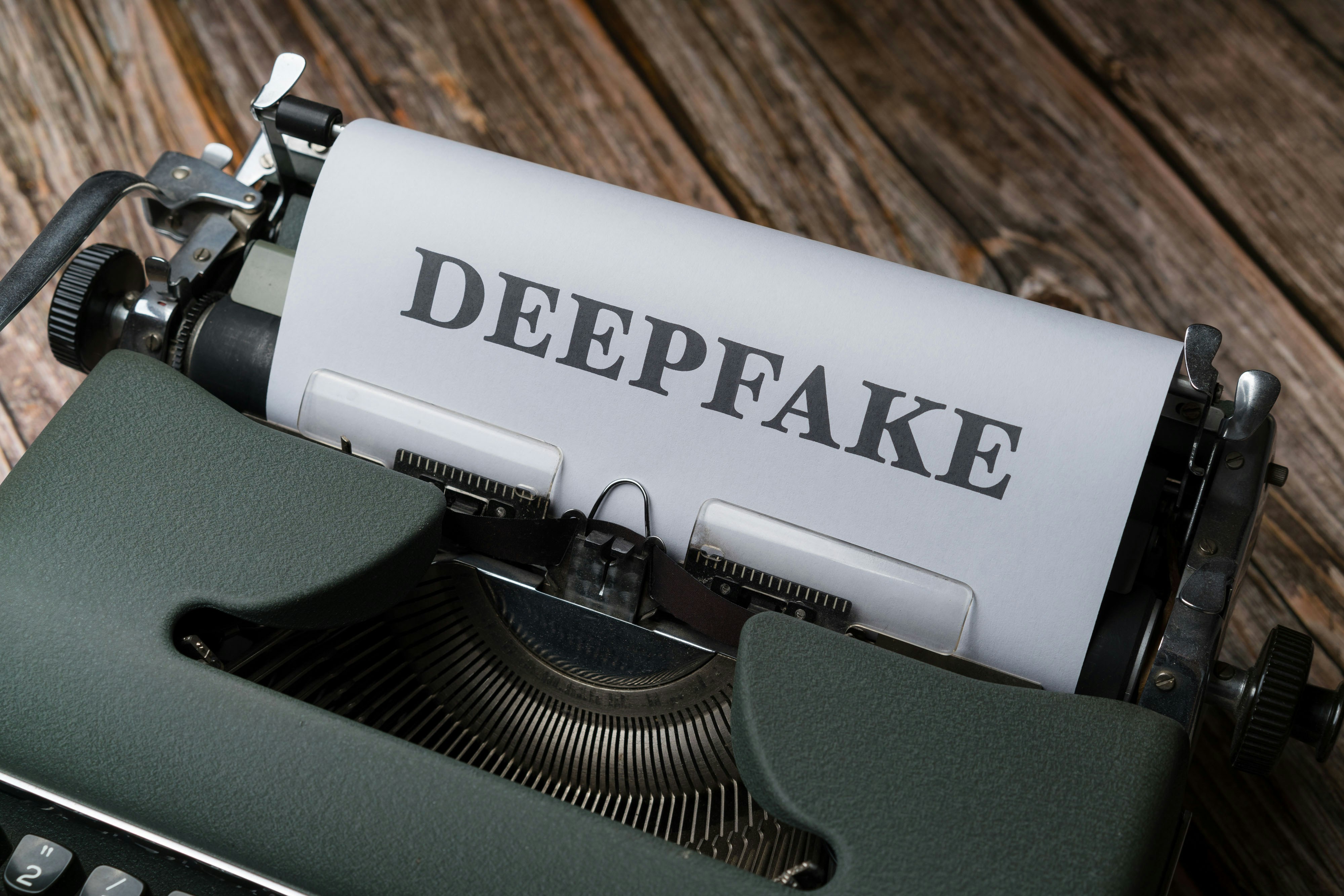
The Great Authentication Crisis: Who Do You Trust When Everything is AI-Generated?
The advent of deepfake technology and AI-generated content presents a significant challenge to societal norms regarding trust and authenticity. This crisis is especially pronounced in the realm of politics, where the reliability of information is paramount. As individuals and communities increasingly encounter AI-generated materials, the psychological implications become evident. Audiences are left grappling with uncertainty, leading to a pervasive skepticism about the validity of the content consumed. The difficulty in distinguishing between genuine and fabricated information can foster a culture where misinformation thrives.
Recent political events have further underscored the real-world implications of deepfakes. For instance, during electoral campaigns, manipulated videos are often circulated to distort or misrepresent candidates’ actions and statements. These deceptive practices not only mislead voters but also contribute to a broader erosion of trust in political institutions. The viral nature of AI-generated misinformation can lead to rapid dissemination, making it challenging for public figures and fact-checkers to counteract false narratives effectively.
This crisis of authenticity challenges the very foundations upon which democratic societies rest. As citizens attempt to navigate an increasingly complex information landscape, the distinction between what is real and what is artificial becomes blurred. Psychological research suggests that the inability to trust information can lead to disengagement from civic duties or, conversely, to radicalization, as individuals cling to any narrative that resonates with their beliefs. Such dynamics can fracture communities, breeding mistrust among differing socio-political factions.
In these turbulent times characterized by the rise of AI content generation, the societal fabric is tested. Understanding the ramifications of deepfakes and fostering media literacy are essential steps in reclaiming trust in a landscape overwhelmed by misinformation.
Weaponized AI: The New Threat of AI-Enhanced Cyberattacks
As artificial intelligence (AI) technologies continue to evolve, so too do the methods employed by malicious actors seeking to exploit them. The phenomenon of weaponized AI represents a significant shift in the landscape of cybersecurity, enabling more sophisticated and targeted cyberattacks. Among the most concerning applications of this technology are hyper-realistic phishing emails, which leverage generative AI to create messages indistinguishable from legitimate communications. These deceptive emails often bypass traditional security measures, increasing the likelihood that unsuspecting recipients will unwittingly expose sensitive information or download harmful software.
In addition to phishing, automated social engineering tactics have emerged as a dominant strategy in the arsenal of cybercriminals. By using AI tools to analyze social media profiles and other publicly available data, attackers can craft highly personalized messages that resonate with their targets. The ability to generate content that appears authentic and tailored to specific individuals enhances the success rate of these malicious campaigns, leading to an overall increase in their impact.
Furthermore, the creation of adaptable malware has revolutionized conventional cyberattack methodologies. AI can facilitate the development of self-evolving malicious software that learns and adapts to evade detection by antivirus programs and other security measures. This adaptability poses a significant challenge to cybersecurity professionals, requiring them to develop increasingly robust and innovative defenses to counteract this new wave of threats.
In light of these developments, it is critical for organizations and individuals to remain vigilant and informed about the evolving landscape of AI-enhanced cyberattacks. Awareness and proactive strategies must be prioritized to combat these threats effectively. This includes implementing advanced security protocols and fostering a culture of security awareness among employees. By doing so, stakeholders can better equip themselves to navigate the complexities introduced by weaponized AI and protect against its potential repercussions.
The AI Watermark Wars: Can We Win the Fight for Digital Provenance?
The increasing prevalence of deepfakes and misinformation has led to a significant crisis of authenticity in the digital realm. In response, emerging technologies, particularly digital watermarking and provenance standards, have gained attention as potential solutions to verify the authenticity of digital content. Digital watermarking involves embedding information within digital media that remains imperceptible to users yet can be detected through specific software. This serves as a means to signal whether content is genuine or manipulated, thereby helping users navigate the murky waters of online information.
Provenance standards aim to create a comprehensive record of the origin and modifications of digital content. By establishing a clear lineage for each piece of information, these standards can enhance transparency and trust among users. Moreover, when combined, digital watermarks and provenance records provide powerful tools in the fight against misinformation. However, the implementation of these technologies encounters several challenges. First, the complexity and cost of developing robust watermarking systems can deter widespread adoption, particularly among smaller organizations and individual creators.
Furthermore, the adaptability of sophisticated AI models, which can generate deepfakes with remarkable ease, necessitates continuous advancements in watermarking techniques. As the landscape evolves, regulatory frameworks and industry collaborations will play crucial roles in fostering a safer digital ecosystem. Governments and organizations must work together to develop guidelines that promote the use of these technologies while ensuring they are accessible to a broad user base. This collaborative effort will be vital in establishing trust in the digital domain, allowing users to discern reliable content from fabricated alternatives and ultimately preserving the integrity of information in the age of AI.
Navigating the Future: Building a Culture of Media Literacy and Critical Thinking
As we move further into an era marked by the proliferation of deepfakes and misinformation, fostering a culture of media literacy and critical thinking is essential in addressing the crisis of authenticity. The ability to discern credible information from misleading content has never been more crucial. Educational institutions play a vital role in equipping students with the skills necessary to navigate the complexities of today’s information landscape. Curriculum development should prioritize media literacy, teaching students how to critically evaluate sources, recognize biases, and understand the implications of deepfakes.
In addition to formal education, community initiatives can serve as powerful tools in promoting media literacy. Workshops and public seminars can engage citizens, providing them with practical strategies to develop critical thinking skills. Collaborations between local libraries, community centers, and educational organizations can provide a robust framework for these initiatives, fostering a generation of discerning media consumers who are equipped to challenge misinformation.
Furthermore, the role of technology companies in this endeavor is paramount. These institutions should actively participate in the creation of educational resources that highlight the importance of authenticity. By implementing algorithms that prioritize credible information sources and providing tools for users to verify content, tech companies can contribute to building a more informed populace. Collaborative efforts to develop transparent systems can enhance trust in digital platforms, making it easier for individuals to access reliable information.
Ultimately, creating a culture that values media literacy and critical thinking requires a comprehensive approach involving educators, community leaders, and technology providers. By working together to enhance these vital skills, we can empower individuals to better navigate the challenges posed by misinformation and deepfakes, moving towards a future where authenticity and trust are restored in our information ecosystems.