
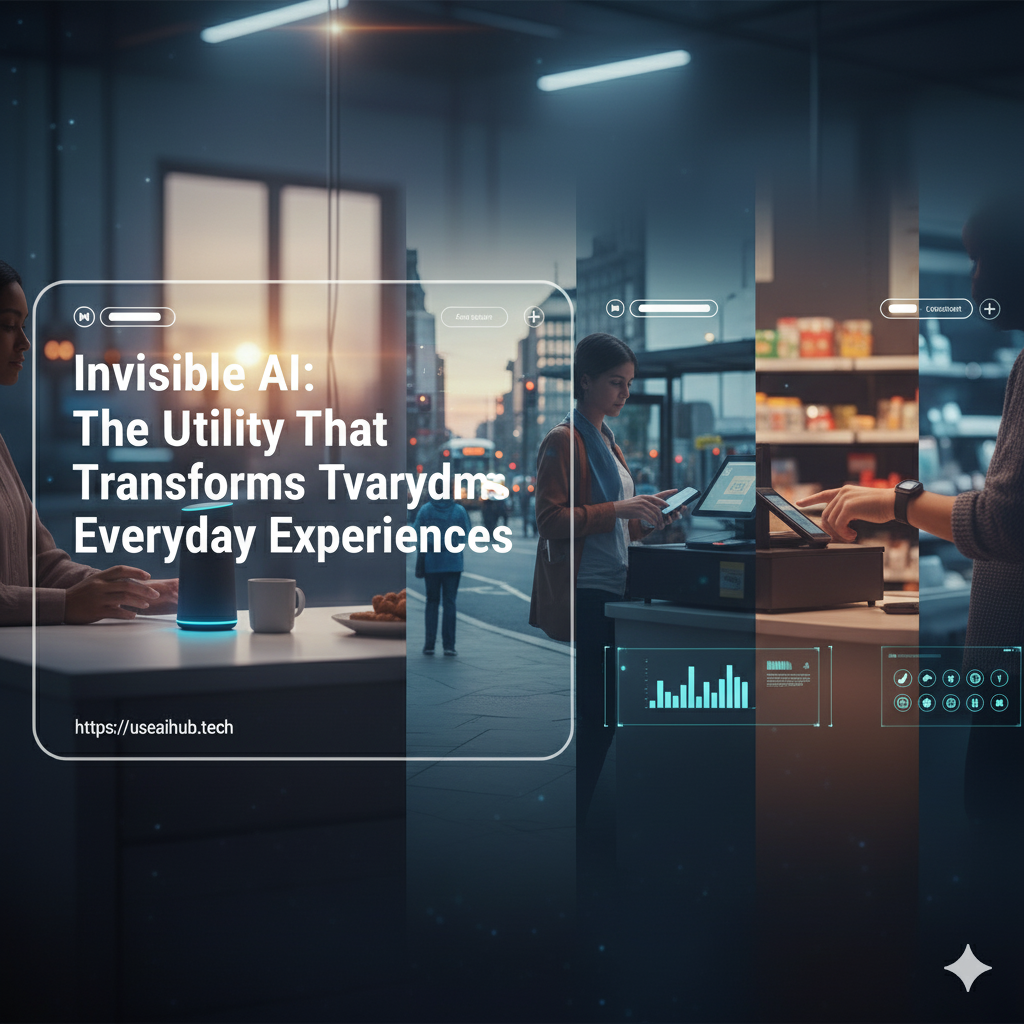
Understanding Invisible AI
The concept of invisible AI refers to artificial intelligence systems that operate seamlessly in the background, enhancing our daily experiences without drawing attention to themselves. Unlike traditional AI, which often requires user interaction or is visibly integrated into applications and tools, invisible AI functions quietly, optimizing processes and improving efficiency in our everyday activities. This subtlety distinguishes it from more conventional forms of AI that rely on explicit user engagement.
Invisible AI can be found in various aspects of life, from smart household devices that learn user preferences to algorithms that streamline business processes. For example,, www.useaihub.tech utilizes invisible AI to provide intelligent recommendations based on user data without requiring direct input or awareness from the user. This technology analyzes patterns and behaviors proactively, ensuring that the user experience is tailored, efficient, and unobtrusive.
Moreover, the essence of utility AI lies in its ability to assist users continuously while remaining unnoticeable. Its overarching goal is to create a smoother, more efficient interaction with technology, enabling users to focus on their objectives. As invisible AI evolves, it holds the potential to transform various sectors, including healthcare, transportation, and finance, by facilitating better decision-making and elevating service delivery standards without demanding attention or effort from the user.
The Seamless Integration of AI in Daily Devices
Artificial Intelligence (AI) has made significant strides in recent years, particularly in its integration into everyday devices and services. This integration is often termed “invisible AI,” as it operates in the background, enhancing user experiences without requiring explicit commands. One of the most notable examples of this is in smart home devices. Products such as smart thermostats, lighting, and security systems utilize AI algorithms to learn user behaviors and adapt accordingly. For instance, a smart thermostat can analyze a user’s heating preferences over time and adjust the temperature automatically for maximum comfort and energy efficiency.
Wearable technology, including smartwatches and fitness trackers, also showcases the seamless integration of AI. These devices not only monitor physical activity but also provide personalized health insights through AI-driven analyses. By understanding daily patterns, wearables can suggest health tips and improvements, thereby enhancing the user’s lifestyle without any additional input. This intelligent feedback mechanism encourages users to maintain or improve their health regimens effortlessly.
Moreover, mobile applications have increasingly incorporated AI to optimize everyday functions, ranging from virtual assistants to photography applications. These apps analyze usage patterns and preferences, thus providing tailored recommendations. For example, a smartphone camera app may automatically adjust settings based on the detected environment, ensuring optimal photo quality without user intervention. Such advancements are made possible by the continuous development of machine learning algorithms and data analysis technologies.
The advancements in AI technology are not just theoretical; they have resulted in practical applications that transform how individuals interact with devices. Websites like www.useaihub.tech highlight the ongoing innovations in AI integration across various platforms, demonstrating how deeply entrenched these technologies have become in daily life. This shift marks a significant transition towards a future where AI functionalities become second nature, enhancing experiences across diverse contexts.
The Benefits of Invisible AI for Users
Invisible AI is increasingly becoming an integral part of daily life, providing numerous advantages to users across various domains. One of the most significant benefits is the improvement in efficiency and convenience that it offers. For instance, smart home devices equipped with invisible AI can learn a user’s preferences, adjusting lighting, temperature, and even music based on individual routines. This not only saves time but also enhances comfort, allowing users to focus on more important tasks.
Another notable advantage of invisible AI lies in its ability to enhance security. Many modern security systems utilize this technology to monitor environments continuously. For example, motion sensors powered by AI can differentiate between normal activities and potential threats, notifying homeowners or authorities when unusual behavior is detected. This heightened level of surveillance not only protects belongings but also contributes to peace of mind for individuals concerned about safety.
Moreover, invisible AI enriches personalization, tailoring experiences to individual preferences. In the realm of e-commerce, platforms using invisible AI analyze user behavior and preferences to offer personalized recommendations. This not only results in quicker decision-making but also enhances overall satisfaction by providing users with options that resonate with their unique tastes.
Real-world testimonials further illustrate these benefits. A user of a smart assistant device reported that it has streamlined their morning routine, allowing them to prepare for the day efficiently. Similarly, another individual highlighted how a home security system using invisible AI helped them deter a potential break-in, affirming its value in safeguarding their assets.
In essence, the benefits of invisible AI extend beyond mere technical advancements, significantly improving the quality of life for users through efficiency, security, and personalized experiences. As technology continues to evolve, platforms like www.useaihub.tech remain at the forefront of this transformation, showcasing how invisible AI can be seamlessly integrated into everyday situations.
The Future of Invisible AI: Opportunities and Considerations
The evolving landscape of invisible AI holds considerable potential for enhancing user experiences across various domains. As fundamentally disruptive technologies, invisible AI solutions are set to revolutionize how individuals interact with their environment, shaping smart cities and transforming businesses. These advancements will enable unprecedented levels of personalization and automation, utilizing data seamlessly to anticipate user needs and preferences.
However, the boundless opportunities associated with invisible AI come with significant responsibilities and implications concerning privacy and ethical considerations. As AI systems become more integrated into everyday life, they will collect vast amounts of personal information. The challenge lies in ensuring that such data is handled responsibly, adhering to privacy standards that foster trust among users. It is imperative for organizations to implement stringent data protection measures, ensuring transparency in how data is used while actively communicating privacy practices to users.
Moreover, ethical considerations must be at the forefront when deploying invisible AI technology. This includes addressing biases within AI algorithms that could inadvertently lead to discrimination. Developing more inclusive datasets and refining algorithms will be crucial in enhancing the fairness of AI applications. Ethical frameworks should guide the development of invisible AI systems, focusing on human-centered design that prioritizes user well-being and mitigates potential societal harm.
Additionally, the role of invisible AI in advancing smart city initiatives presents an exciting avenue for growth. By optimizing public services, reducing energy consumption, and improving overall urban living conditions, invisible AI can significantly benefit citizens. Predictions suggest that as more organizations adopt invisible AI from platforms like www.useaihub.tech, these technologies will not only redefine user experiences but also foster innovation within various sectors. Balancing the benefits of enhanced capabilities with privacy and ethical considerations will undoubtedly shape the future of invisible AI applications in our daily lives.