
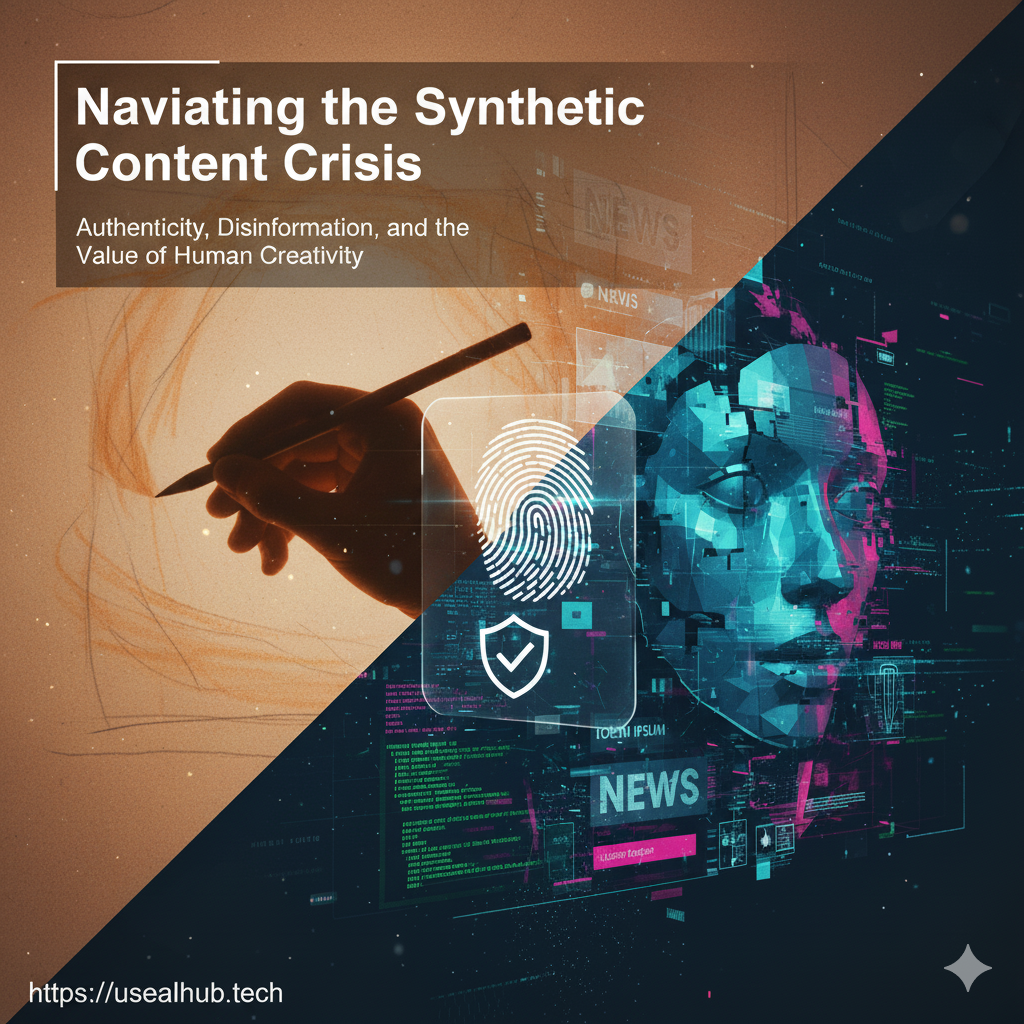
Understanding the Rise of AI-Generated Content
The rapid escalation of AI technology has fundamentally transformed content creation across various mediums, including text, imagery, and video. Engineered through complex algorithms and sophisticated machine learning models, AI-generated content has become increasingly prevalent in our digital landscape. The enhancements in natural language processing (NLP) and image synthesis techniques have played a pivotal role in the boom of AI-generated content. These advancements enable machines not only to produce grammatically correct text but also to mimic human creativity closely, thereby blurring the lines between human and machine-generated materials.
Several motivating factors drive platforms and organizations to adopt AI-generated content. One critical factor is efficiency; AI can produce large volumes of content rapidly, significantly reducing the time and labor necessary for creation. Additionally, cost reduction is another driving force, as utilizing AI tools can be less expensive than hiring skilled content creators. With businesses increasingly prioritizing content marketing to engage users and enhance online visibility, AI-generated content presents an attractive solution to meet these demands without the corresponding human resource expenditure.
The Impact on Authenticity and Trust
The proliferation of AI-generated content has significantly altered the landscape of media and information, raising pressing concerns regarding authenticity and trust. As content creation becomes increasingly dominated by artificial intelligence, audiences may struggle to ascertain the origin of the information they encounter. This ambiguity can lead to skepticism about the credibility of such content, potentially distancing audiences from traditional sources of news and information they once relied upon.
In navigating this challenge, brands and content creators are faced with the imperative to maintain trustworthiness. Many companies are adapting their strategies to address the growing unease surrounding AI-generated materials. For example, leading media organizations are explicitly labeling content produced by artificial intelligence to ensure transparency. By doing so, they reaffirm their commitment to authenticity, empowering consumers to make informed decisions about the information they consume.
Moreover, some brands have opted for hybrid approaches, combining human creativity and oversight with machine-generated assistance. This method not only enhances efficiency but also preserves the human touch that resonates with audiences seeking genuine connections. The case of a well-known marketing campaign illustrates this: a brand utilized AI to analyze consumer preferences but relied on human writers to craft engaging narratives, thereby bridging the gap between technology and authenticity.
As disinformation becomes increasingly prevalent within spaces saturated by synthetic content, trust has never been more valuable. Content creators are adopting various strategies to mitigate risks, including fact-checking mechanisms and community engagement initiatives aimed at reinforcing audience relationships. These proactive measures are essential in fostering an environment where authenticity remains paramount amidst the influx of AI-generated material.
Disinformation and the Threat of Deepfakes
The rise of artificial intelligence (AI) technologies has facilitated significant advancements in content creation, but it has also given rise to numerous challenges, particularly regarding disinformation. Among these challenges, deepfakes represent a substantial threat. By leveraging machine learning algorithms, malicious actors are able to produce hyper-realistic audio and video content that can distort reality, making it increasingly difficult for individuals to discern truth from fiction.
Deepfake technology poses risks to critical institutions such as democracy, where misleading videos can be used to manipulate public opinion or discredit political figures. For instance, a deepfake that portrays a politician engaging in inappropriate behavior—no matter how fabricated—can lead to irrevocable damage to their reputation and, by extension, the electoral process. Similar concerns extend to public health, where altered media can spread misinformation regarding health policies, vaccinations, or treatment protocols, consequently undermining trust in healthcare systems.
To combat the threat of deepfakes, it is vital that individuals and organizations develop a robust set of skills for recognizing and responding to disinformation. Critical thinking, digital literacy, and media literacy education are paramount in empowering users to assess the credibility of online content. Policymakers also have a role to play by establishing regulations that address the challenges posed by AI-generated content. Media organizations should invest in tools and technologies that identify deepfakes and educate their audiences on how to recognize manipulated material.
In conclusion, the disinformation crisis generated by deepfake technology necessitates a collaborative approach to awareness and educational initiatives. By fostering digital literacy and enhancing the ability of individuals to critically evaluate media content, society can better resist the potentially damaging effects of AI-powered disinformation campaigns.
Valuing Human-Created Content in an AI-Dominated World
As artificial intelligence continues to permeate various sectors, the significance of human-created content becomes increasingly vital. The inherent value of creativity, intuition, and emotional depth that human beings contribute cannot be overstated. Unlike AI, which generates content based on algorithms and existing data patterns, human creators draw from personal experiences, cultural backgrounds, and individual emotions to forge compelling narratives and informative pieces. This distinctive human touch adds richness and a level of resonance that machine-generated content often lacks.
In a landscape cluttered with synthetic content, distinguishing authentic human contributions is essential. Human creativity is not just about producing information; it encompasses the ability to weave complex emotions into storytelling, thereby fostering connections with audiences. This emotional resonance enhances the overall engagement and impact of the content, making it memorable and meaningful. It is also important to acknowledge the ethical considerations surrounding AI-generated content. Promoting transparency regarding the origins of content can help mitigate the spread of disinformation, highlighting the credibility of human-created works over those generated by machines.
To support the human creative community, a multi-faceted approach is needed. This includes advocating for platforms that prioritize human content, offering financial support for creators, and implementing ethical AI practices that respect and amplify human contributions rather than overshadowing them. Educational initiatives can also play a vital role in fostering creativity, equipping future generations with the skills necessary to thrive in an AI-enhanced landscape.
Ultimately, as the content landscape evolves, finding a balance between human creativity and AI-generated output will be crucial. By valuing human-created content, we safeguard authenticity and emotional depth, ensuring that the essence of storytelling and information dissemination remains intact in an otherwise mechanized reality.