The open web is defined by five principles: open standards, permissionless publishing, linking, interoperability, and decentralization, ensuring freedom, flexibility, and user control in online information sharing.
Similar Posts
OpenStation Blog: WordPress Has Been Missing This for 15 Years
tl;dr: 15 years stuck in the same wp-admin, why don’t you try in playground the new wp-admin experience? WordPress has spent the last fifteen years becoming capable of doing almost everything, yet somehow we have continued interacting with wp-admin in fundamentally the same way: click somewhere, load another screen, go back, open another tab because…
Gutenberg Times: A critical PHP fix, WordPress 7.2 Beta 1, Notes in the margin, and more—Weekend Edition 378
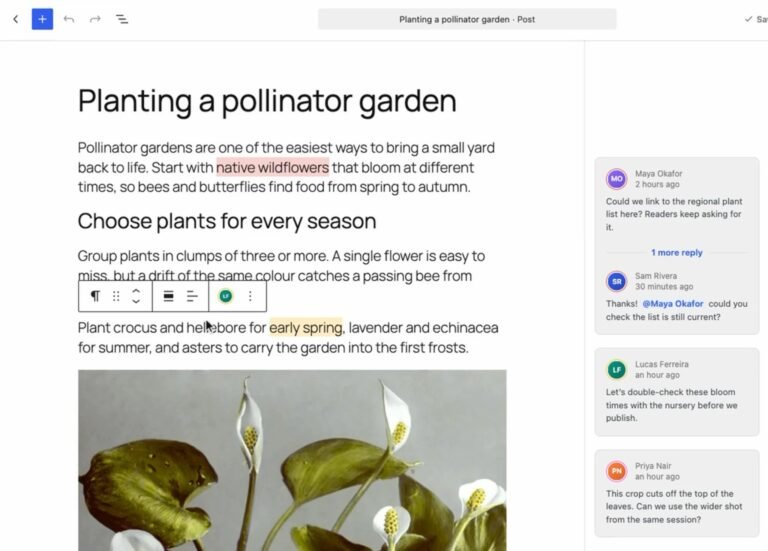
Howdy, Before anything else: check which version of PHP your sites run. On October 21, the PHP project released fixes for two critical vulnerabilities, and they affect any server running a PHP application, not only WordPress. You’ll find your version under Tools → Site Health → Info → Server in your WordPress admin. If you…